Nature and Well-being
Nature as Teacher
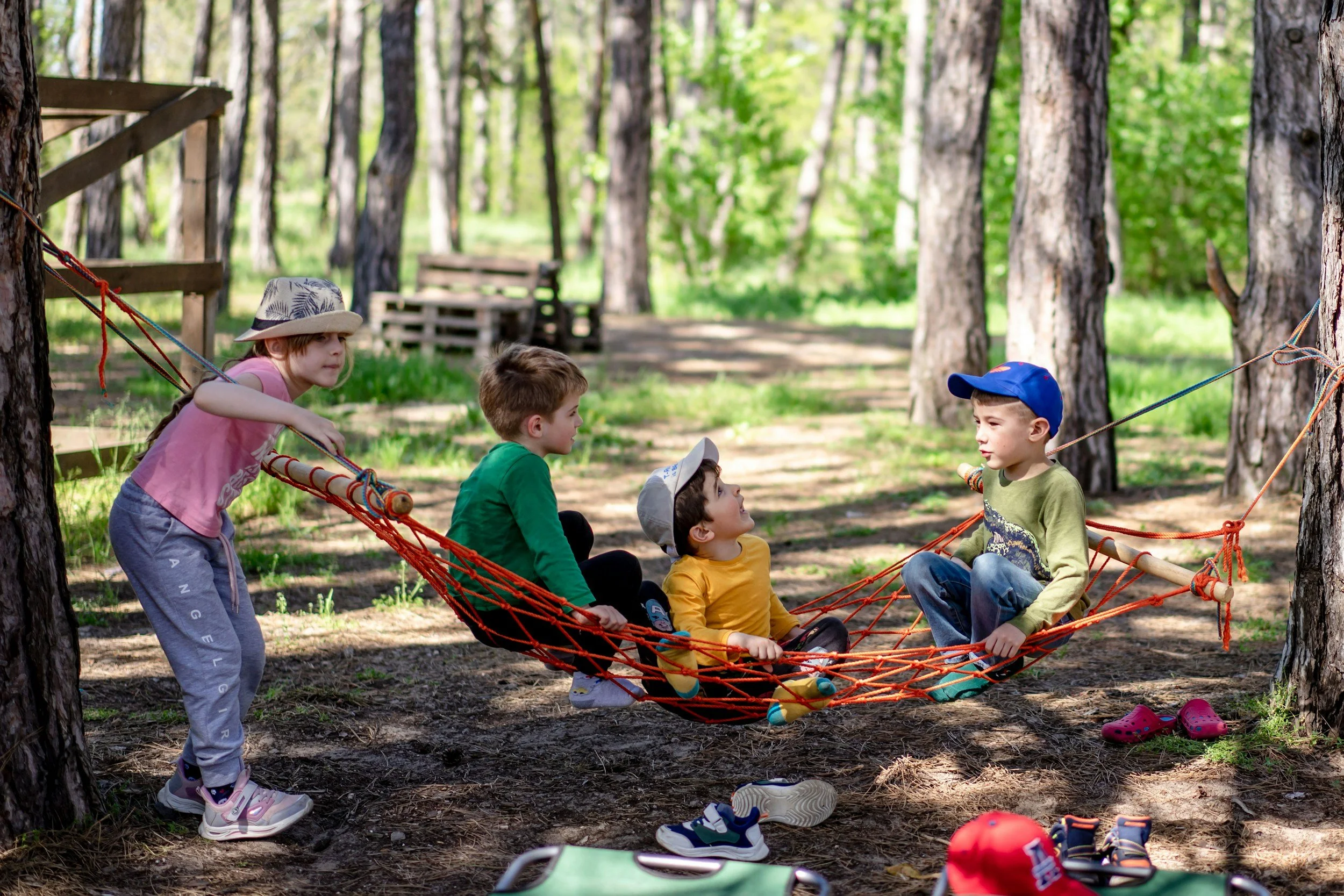
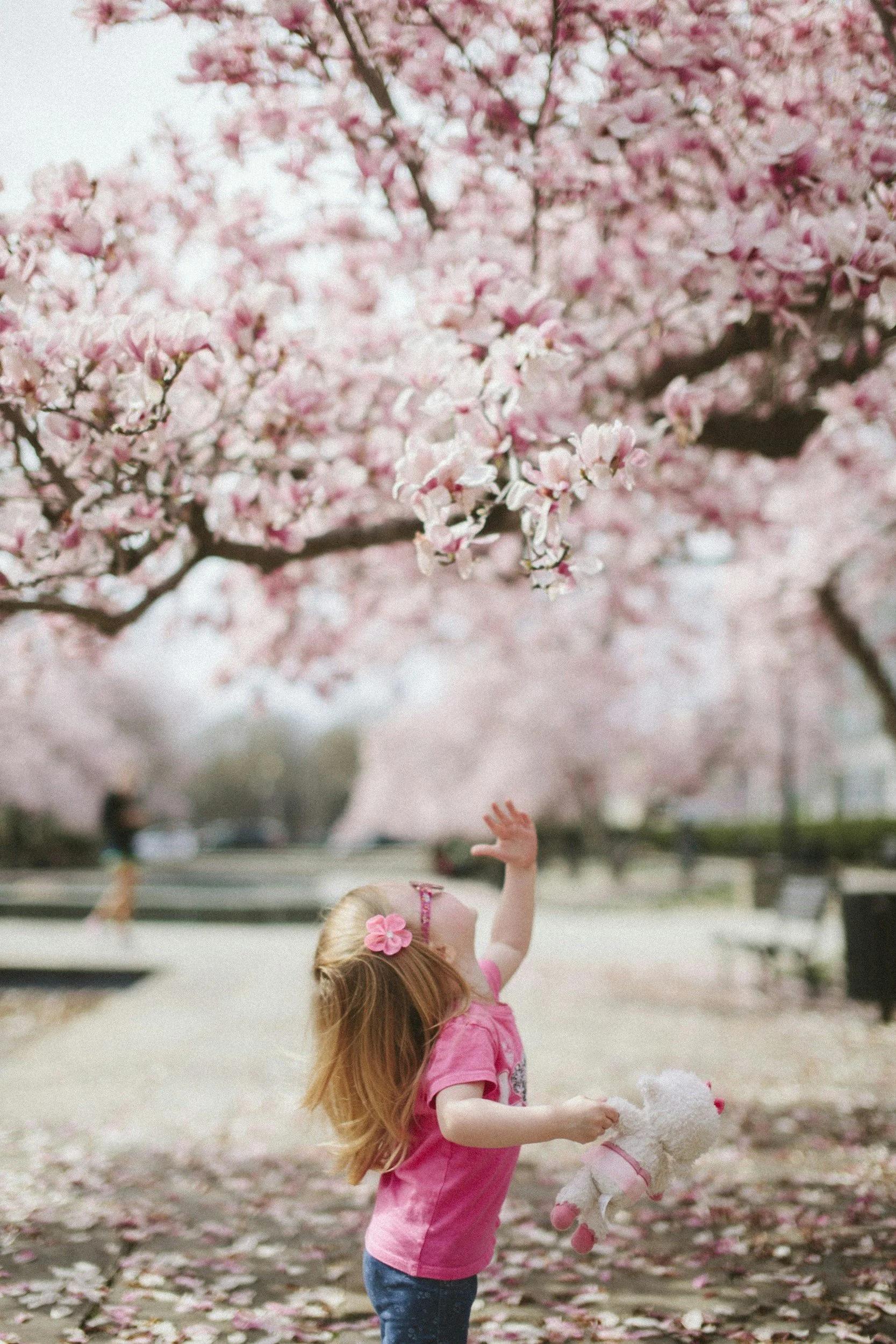
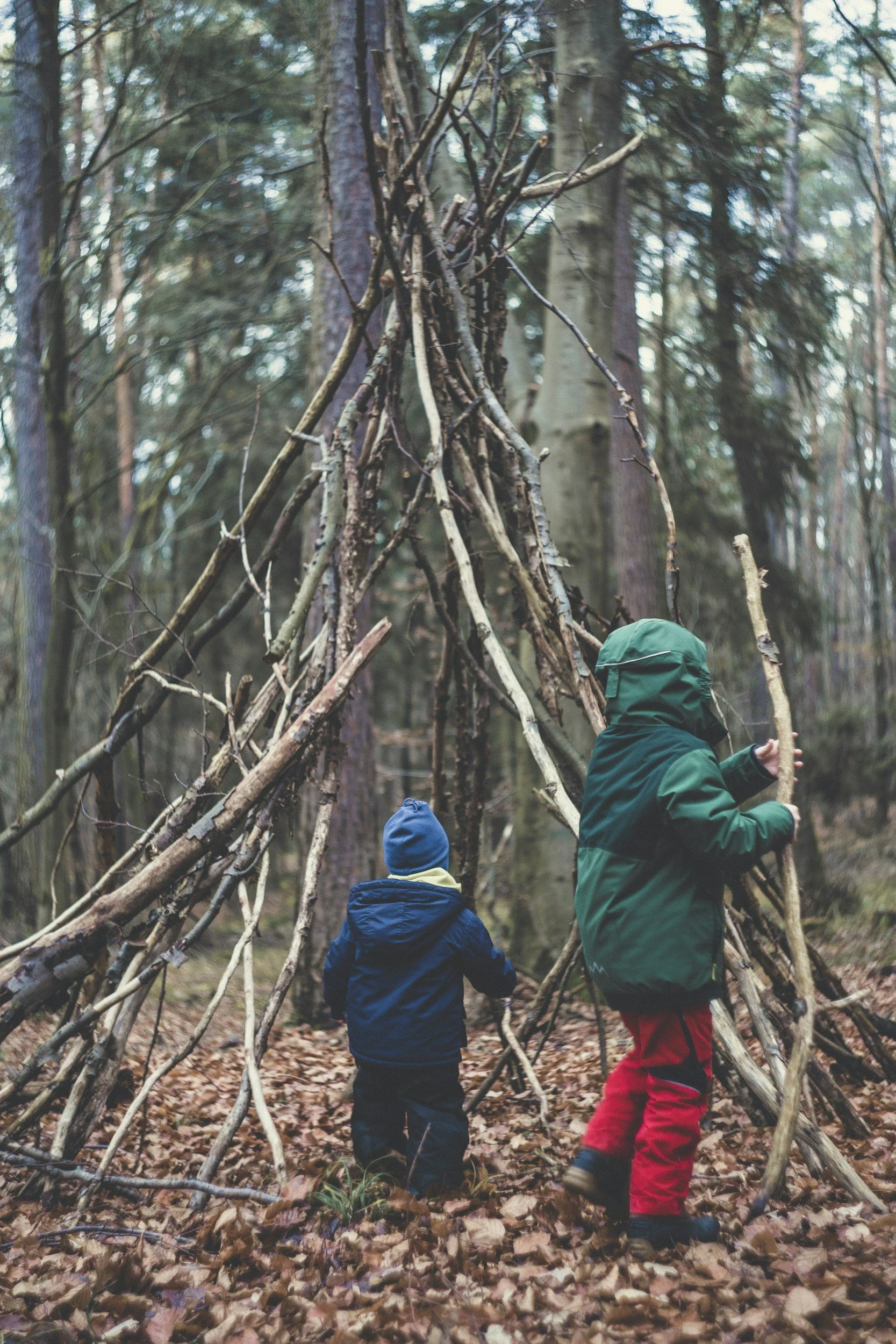
At EVERWILD, nature is not simply a backdrop for learning — it is an essential part of the educational experience. Time spent outdoors invites children to move, explore, observe, imagine, reflect, and connect in ways that are increasingly rare in modern childhood.
We believe children thrive when they are deeply connected to both the natural world and themselves. Forests, gardens, open spaces, changing seasons, and sensory-rich environments create opportunities for curiosity, discovery, creativity, resilience, and meaningful experiential learning.
Nature reminds children that learning is alive.
Emotional Wellbeing & Nervous System Regulation
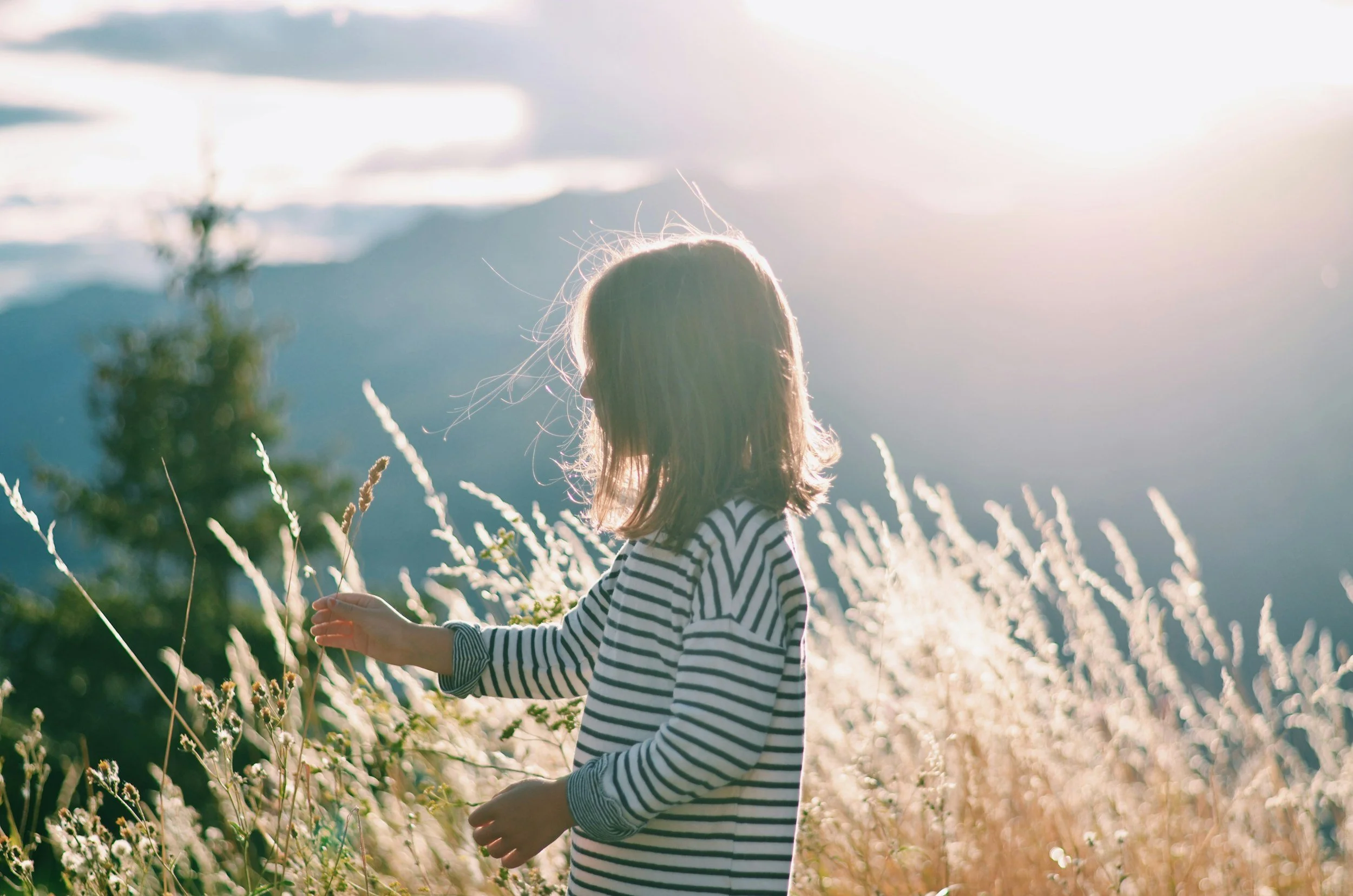
Children learn best when they feel safe, connected, regulated, and emotionally supported. Movement, outdoor exploration, unstructured play, sensory experiences, and meaningful relationships all contribute to emotional well-being and nervous system regulation.
At EVERWILD, we aim to create calm, connected environments that support:
emotional resilience
confidence and self-awareness
stress reduction
attention restoration
sensory integration
social-emotional development
healthy risk-taking and independence
We believe well-being is not separate from learning — it is foundational to it.
Movement, Exploration & Play
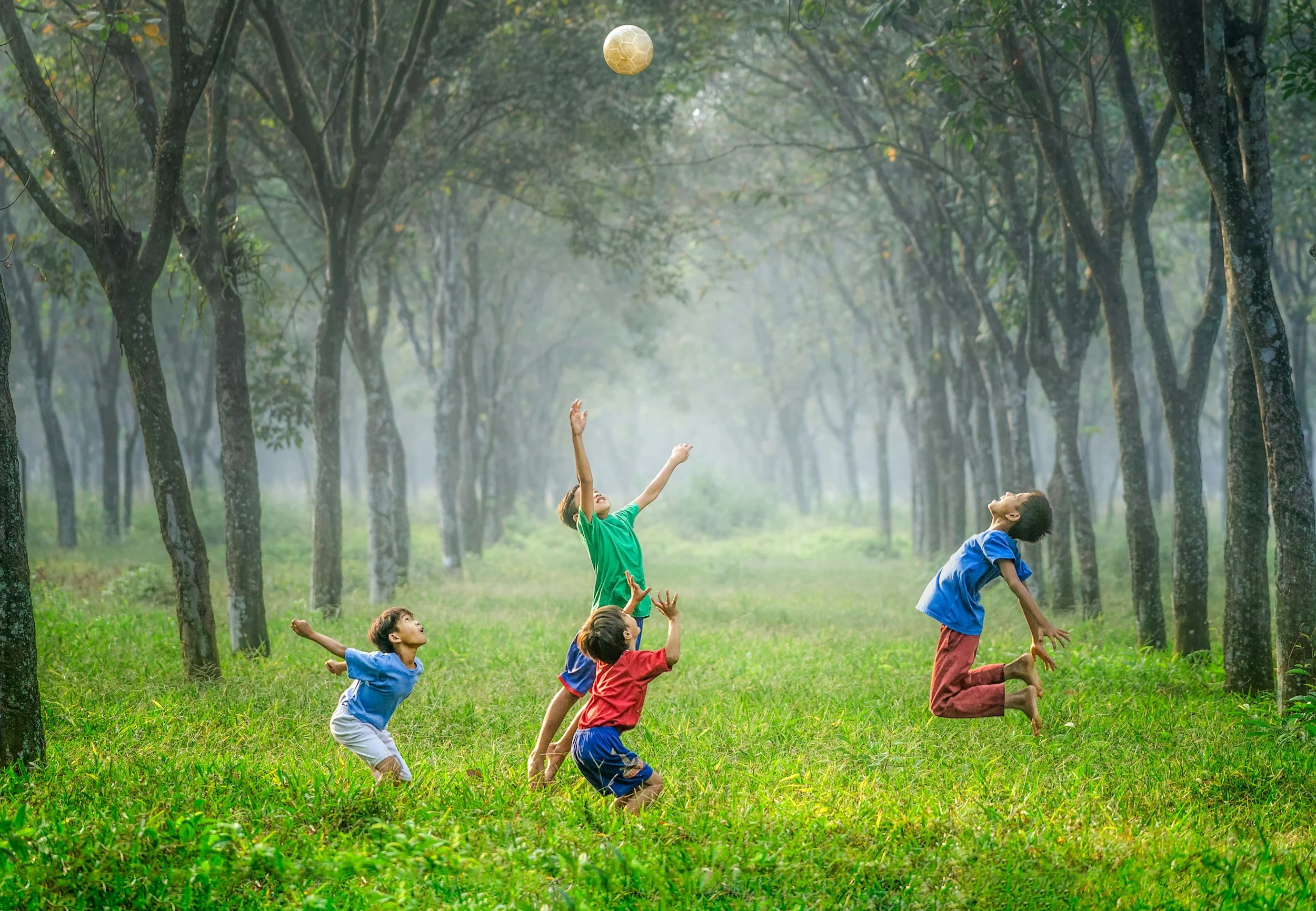
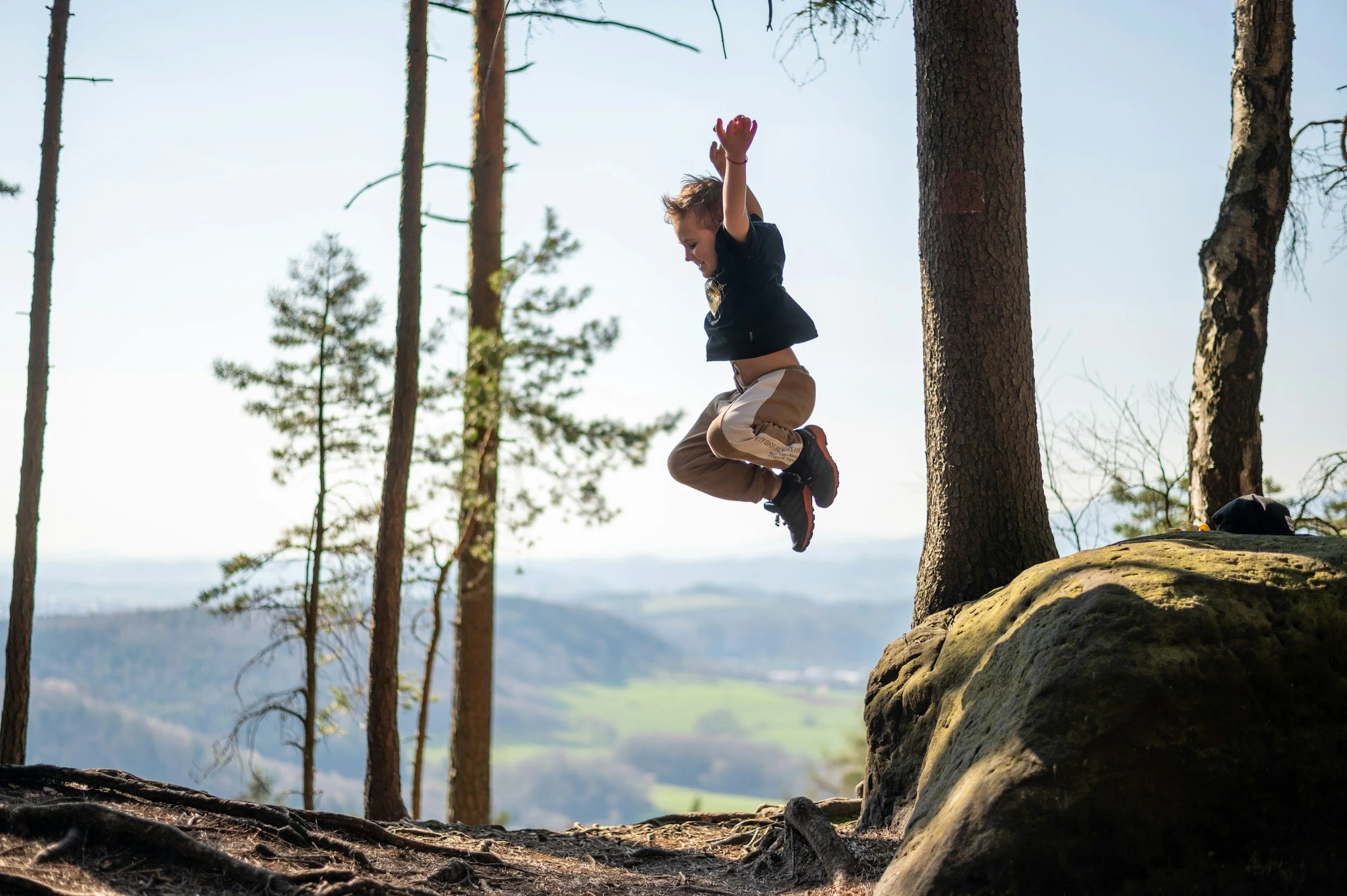
Children are naturally designed to move, explore, climb, build, create, investigate, and engage physically with the world around them. At EVERWILD, movement and play are viewed as essential components of cognitive, emotional, physical, and social development.
Outdoor exploration, open-ended play, physical activity, and hands-on experiences help students develop:
coordination and physical confidence
creativity and problem-solving
adaptability and resilience
collaboration and communication
curiosity and engagement
independence and initiative
Through movement and exploration, children develop a deeper sense of confidence, capability, and connection to their environment.
Sensory-Rich Learning Environments
Modern childhood is often filled with overstimulation, constant distraction, and limited opportunities for sensory integration. At EVERWILD, we strive to create environments that feel grounded, calming, inspiring, and alive.
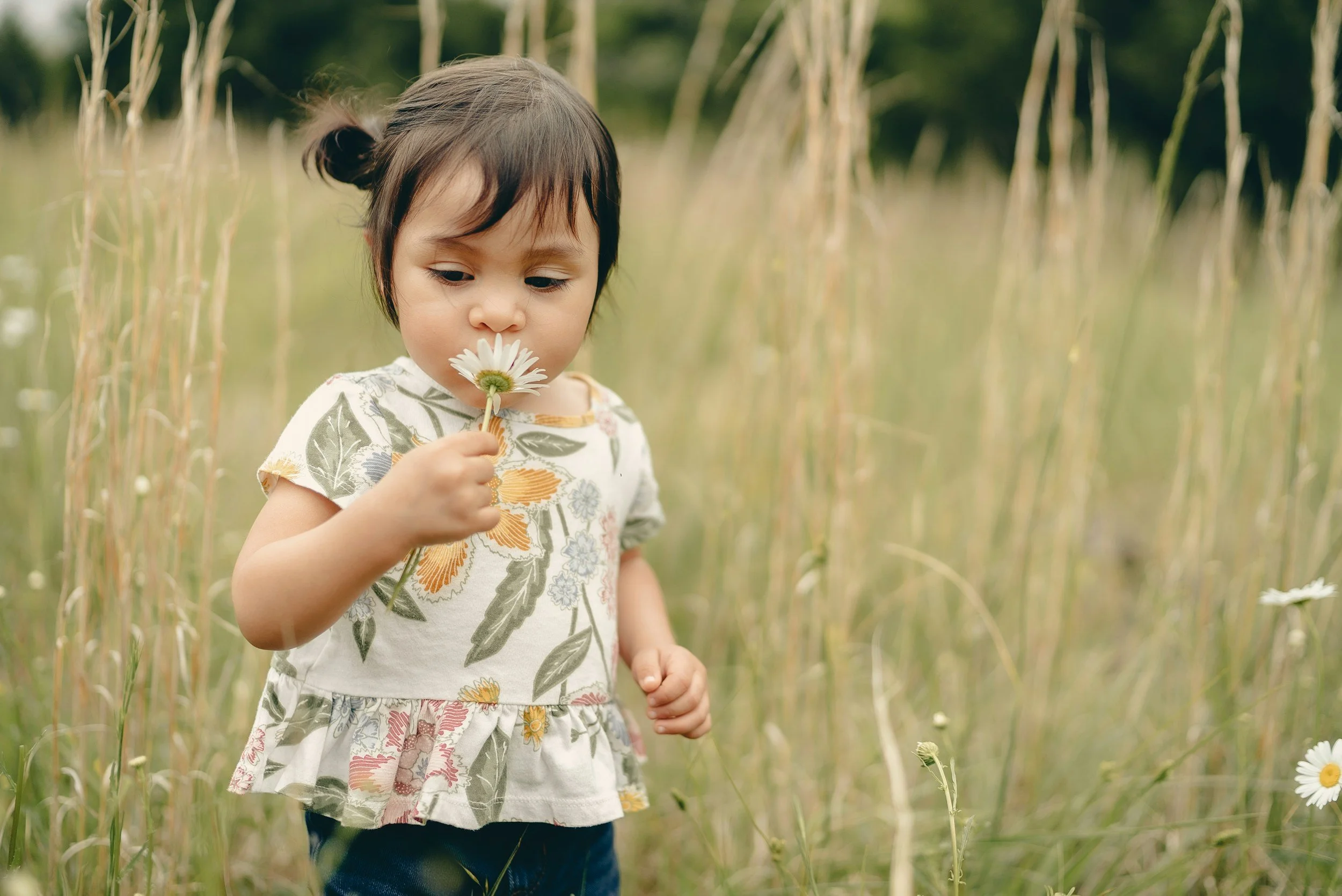
Natural materials, outdoor experiences, hands-on creation, seasonal rhythms, gardens, open-ended spaces, artistic expression, movement, and quiet reflection all help support deeper engagement and overall wellbeing.
We believe children flourish when learning engages the whole human experience — mind, body, emotions, creativity, senses, and community.
Stewardship & Connection
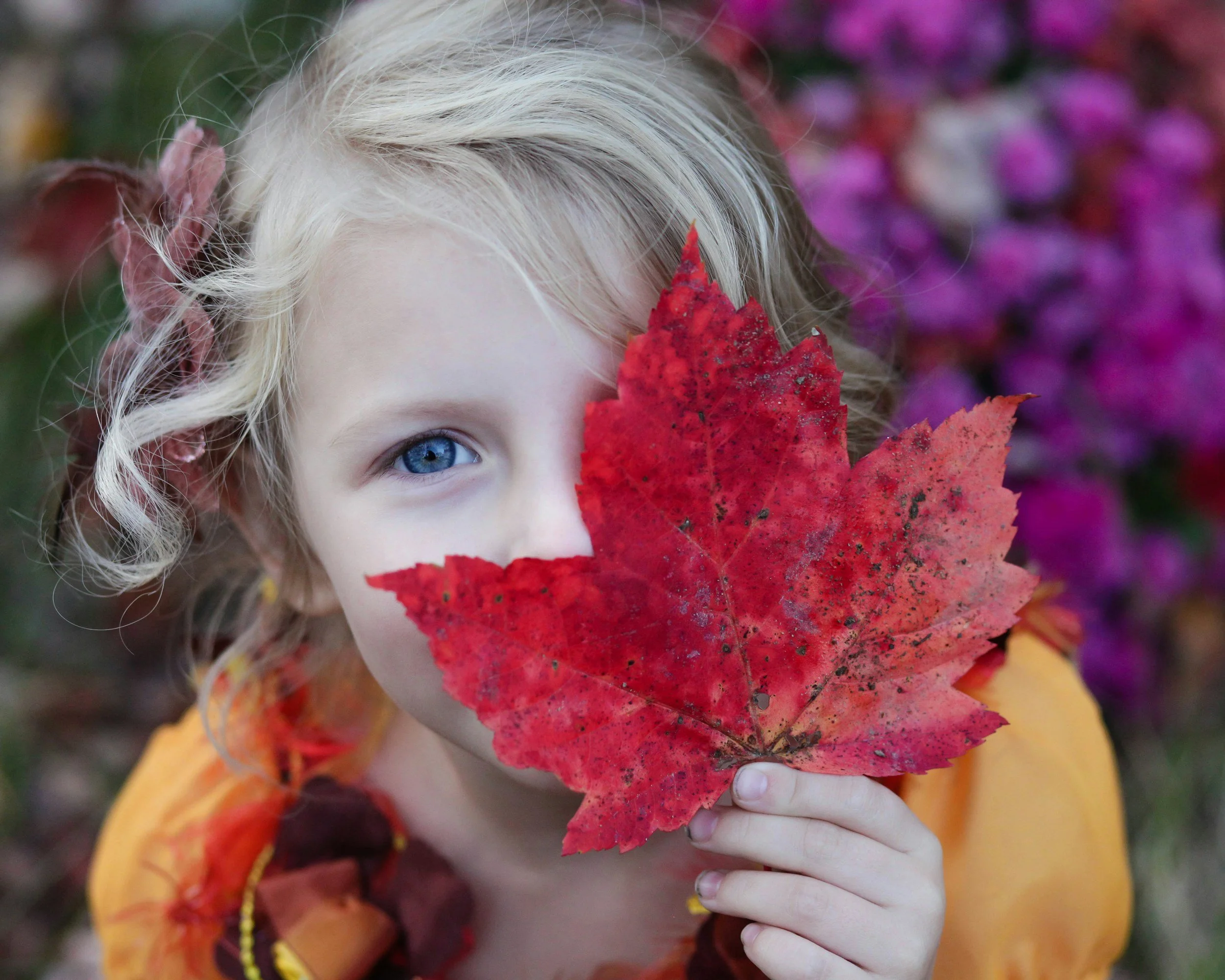
Connection to nature helps children develop empathy, gratitude, responsibility, and a deeper understanding of their relationship with the world around them.
Through gardening, outdoor exploration, environmental projects, caring for shared spaces, and community responsibilities, students learn that healthy communities and ecosystems thrive when people contribute with care, respect, and intention.
At EVERWILD, stewardship is not taught only through lessons — it is experienced through daily life and meaningful participation within the community.
Community & Belonging
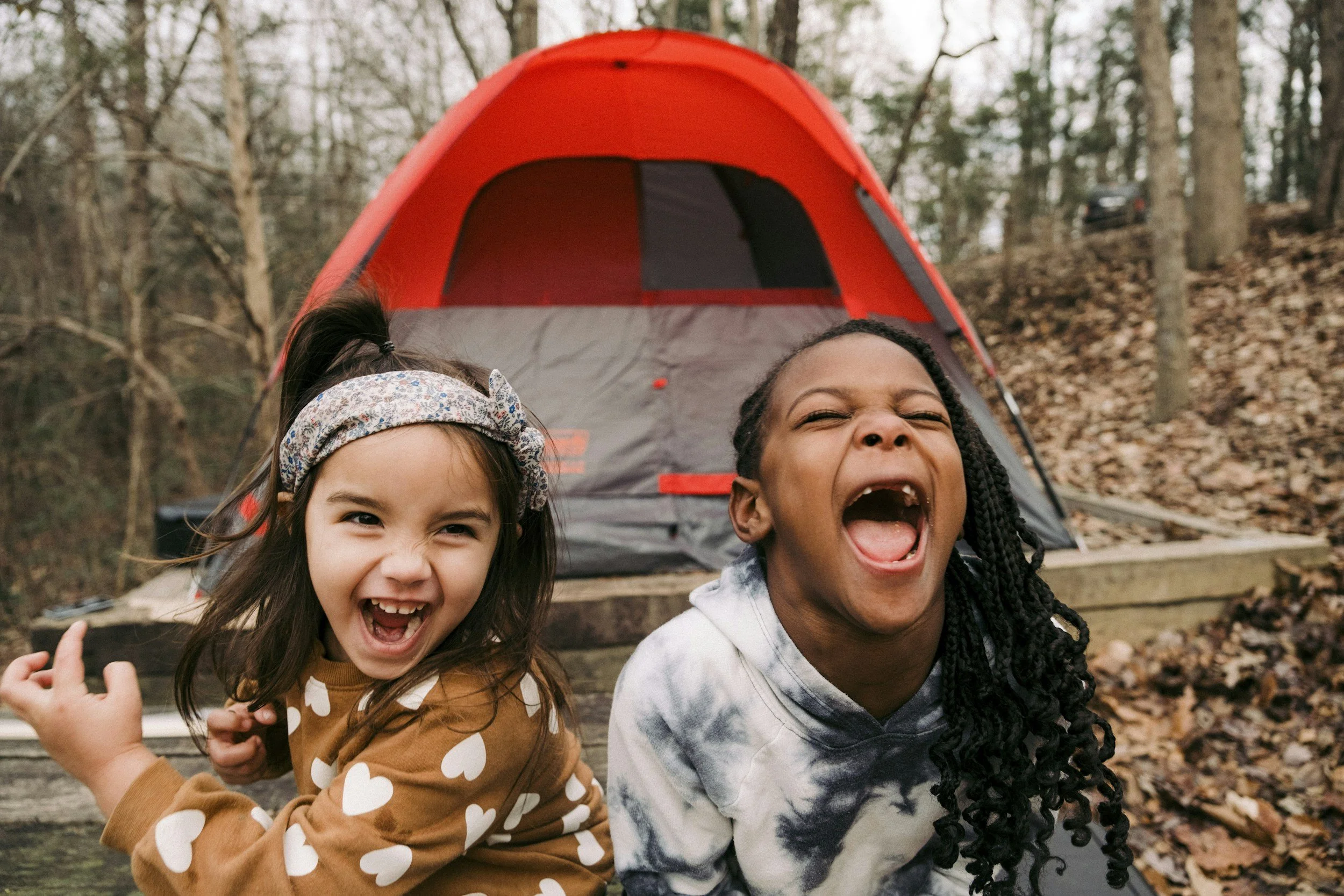
Well-being is deeply connected to belonging. At EVERWILD, we aim to cultivate environments where students feel seen, valued, respected, and meaningfully connected to others.
Mixed-age collaboration, intergenerational learning, shared experiences, mentorship, community gatherings, collaborative projects, and daily rhythms help foster empathy, communication, trust, and mutual care.
We believe children flourish when they feel connected:
to themselves
to others
to meaningful work
to the natural world
and to a community that values their unique strengths and contributions.
A Slower, More Connected Childhood
At EVERWILD, we believe childhood should include time for wonder, movement, imagination, reflection, exploration, creativity, and connection.
In a fast-moving world filled with pressure, distraction, and constant stimulation, we aim to create space for children to slow down, engage deeply, build meaningful relationships, and experience learning as something joyful, grounded, and alive.
We believe these experiences help nurture not only healthier learners, but healthier humans.